SoFi2026-10-24 03:01:30SoFi launches 4.4% FDIC-insured tokenized deposit product for retail customersSoFi has introduced SoFi Earn, or SOFIE, a yield-bearing tokenized deposit product that offers a 4.4% annual percentage yield and FDIC insurance within applicable limits. The company said the launch makes it the first U.S. nationally chartered bank to offer tokenized deposits directly to individual customers. Each SOFIE token represents $1 held in a SoFi Bank account and can be accessed through the SoFi Crypto platform. Users can convert SOFIE 1:1 into the SoFiUSD stablecoin to buy cryptocurrencies or transfer funds around the clock to supported external wallets. Deposits continue earning interest until conversion, while SoFiUSD itself is not covered by FDIC insurance. The rollout follows SoFi’s earlier crypto trading launch, the release of SoFiUSD, and its integration of the stablecoin into its consumer banking app. The company said it expects to complete distribution to all crypto members in November. The product arrives as banks and policymakers continue to debate whether yield-bearing stablecoins and similar instruments could pull deposits away from the traditional banking system.140
OCC2026-10-14 17:03:20OCC says bank service restrictions were tied to crypto activity, but report gives no specific casesThe US Office of the Comptroller of the Currency said in a new debanking report that some banks used public and nonpublic policies to limit services to a range of industries, including digital assets, oil and gas, tobacco, and firearms. The agency said many institutions restricted banking services tied to digital asset activity involving issuers, exchanges, or administrators, often citing financial crime concerns. Even so, the 47-page report did not provide specific examples of debanking tied to crypto. After reviewing nine major banks, the OCC said it was unable to comprehensively quantify the full extent of debanking or alleged debanking actions. The report was issued in line with an August 2025 executive order from US President Donald Trump aimed at preventing what he called unlawful debanking. The issue has been a flashpoint for the crypto industry since November 2024, when more than 30 technology and crypto executives said they had been denied banking access. Industry figures have often referred to the alleged effort as Operation Chokepoint 2.0, arguing that the US government under former President Joe Biden may have influenced financial institutions to cut crypto firms off from some services.400
Federal Reser2026-10-06 15:02:14Bowman says Fed plans bank supervision overhaul and review of stricter asset thresholdsThe Federal Reserve is preparing a broad overhaul of the U.S. bank supervision framework, replacing the current model in which regional Federal Reserve Bank presidents oversee bank examination supervision with a structure that carries clearer accountability to the Board in Washington. The plan was outlined Tuesday by the Fed’s top banking supervision official, Vice Chair for Supervision Michelle Bowman. Under the proposal, the central bank would create five geographic bank supervision regions, each led by a regional director responsible for all supervisory activity in that area, while on-the-ground examinations would still be carried out by staff at the regional Reserve Banks. In prepared remarks for an event hosted by the St. Louis Fed, Bowman said the current setup has weakened the link between responsibility and accountability. She also said the Fed will later this year consider changes to the asset-size thresholds that determine when banks become subject to tougher regulatory requirements.250
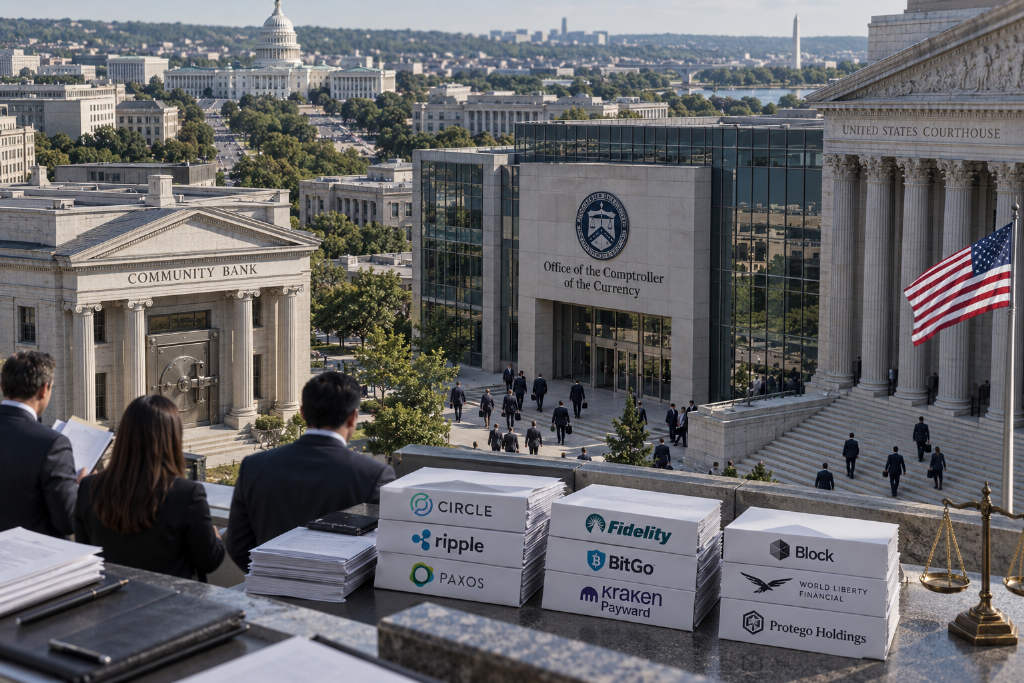
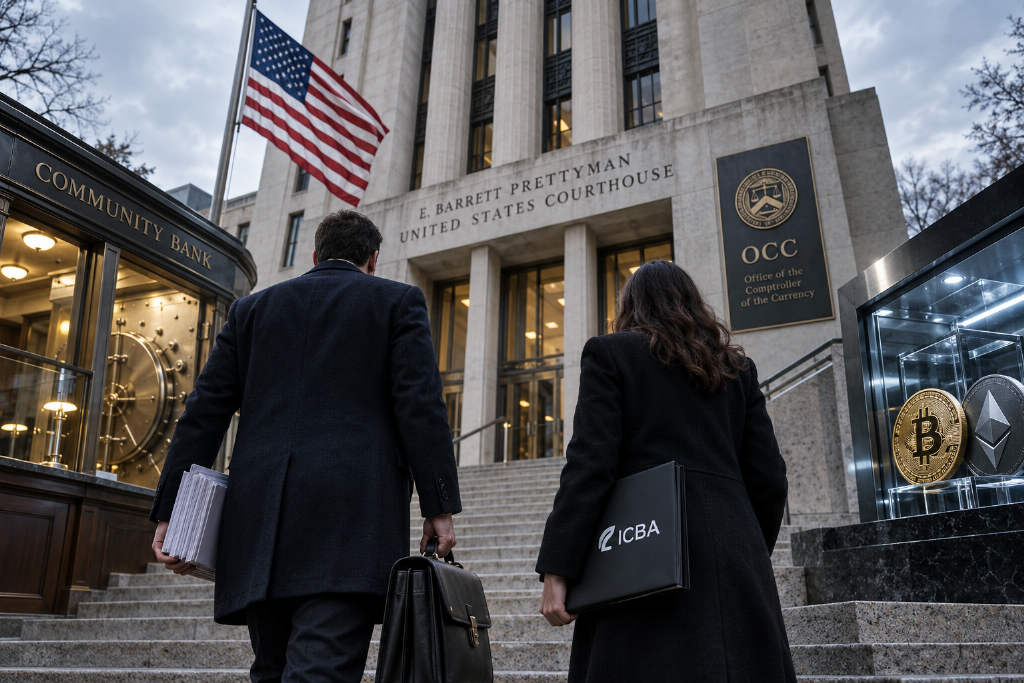
Policy and Re2026-10-04 16:13:05ICBA sues OCC over trust charters for crypto firms entering the banking systemThe Independent Community Bankers of America, or ICBA, filed a lawsuit Friday in the U.S. District Court for the District of Columbia against the Office of the Comptroller of the Currency, challenging the agency’s authority to grant national trust bank charters to crypto companies. The group asked the court to vacate the final rule dated March 2, 2026, along with Interpretive Letter 1176. ICBA President and CEO Rebeca Romero Rainey said the charter gives crypto firms the credibility associated with a federal bank charter without requiring them to meet standards tied to federal deposit insurance, capital, liquidity, and the Community Reinvestment Act. ICBA also asked for the conditional charter issued to Protego Holdings to be revoked, alleging weaknesses in governance and risk controls. The case touches digital asset companies that have applied for or received OCC charters, including Circle, Ripple, Paxos, Fidelity, BitGo, Kraken parent Payward, Block, and World Liberty Financial. Separately, Senator Elizabeth Warren criticized the approvals as unlawful, while industry participants disputed that view. The OCC is also planning to complete stablecoin rules under the GENIUS Act before November, according to Decrypt.480
Policy Regula2026-10-03 09:25:01Community banks sue OCC over trust charters granted to crypto firmsA US community banking group has sued the Office of the Comptroller of the Currency, arguing that the regulator went beyond the authority granted by Congress by allowing cryptocurrency companies to obtain limited national trust bank charters. The lawsuit was filed Friday in the US District Court for the District of Columbia by the Independent Community Bankers of America. The group says the OCC has given crypto firms the credibility associated with a federal bank charter without requiring the safeguards and obligations that normally apply to insured depository institutions. ICBA President and CEO Rebeca Romero Rainey said Congress did not create the national trust charter as a way for crypto firms to enter the banking system without Community Reinvestment Act duties, consolidated supervision, capital and liquidity standards, and FDIC insurance. The OCC had not responded to a request for comment by publication. Cointelegraph previously reported in August that, under President Donald Trump and OCC head Jonathan Gould, the agency had approved or conditionally approved several trust charter applications from crypto companies seeking to expand services in the US. Those charters do not permit deposit-taking or lending.520
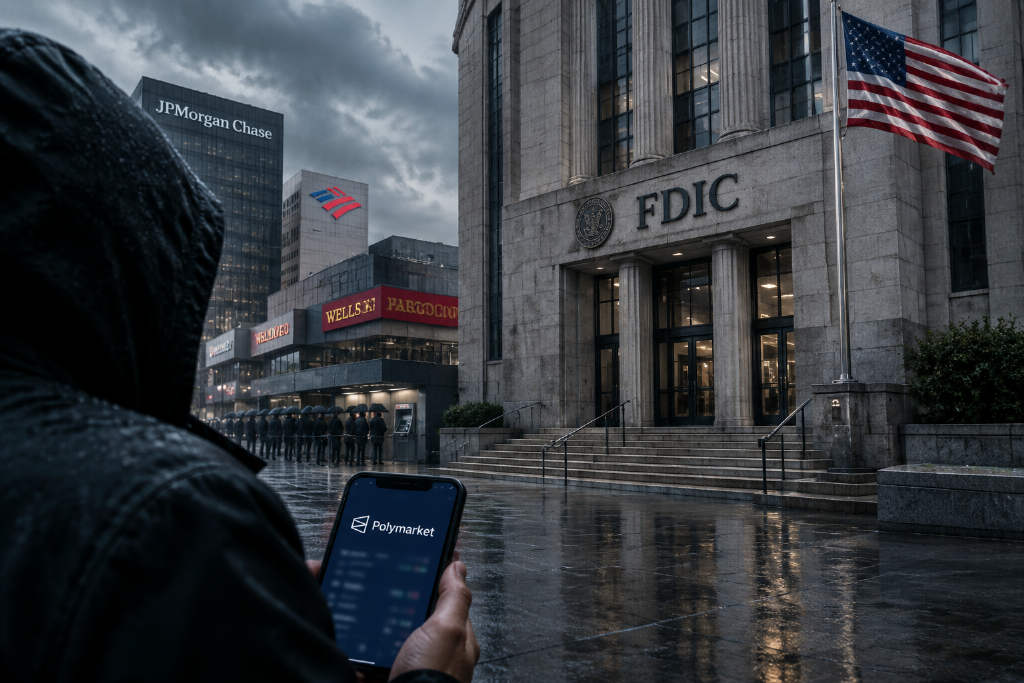
Polymarket2026-09-26 00:55:39Polymarket bank failure contracts raise concerns inside the FDICPrediction contracts on Polymarket tied to the potential failure of major banks including JPMorgan Chase, Bank of America, and Wells Fargo have drawn concern from officials at the U.S. Federal Deposit Insurance Corporation, according to Techub News. Some officials reportedly worry that if trading in such contracts grows larger, it could help fuel real-world bank runs. The FDIC also discussed whether employees could use inside information to trade these contracts. After internal review, officials concluded that existing ethics rules already prohibit that kind of conduct. The contracts are currently available only on Polymarket’s offshore platform, while its regulated U.S. platform does not list such products. Contracts tied to whether a bank will fail before the end of this year have recorded about $76,000 in total trading volume. Polymarket said these markets can give the public access to information that is usually available only to professional financial institutions.400
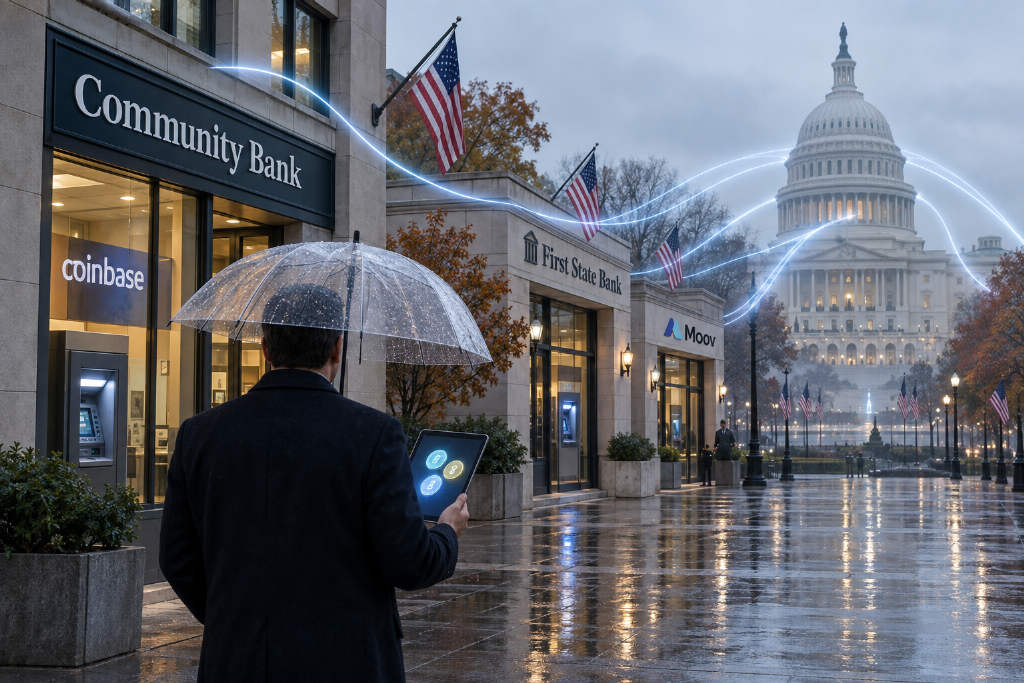
Coinbase2026-09-14 01:40:57Coinbase says it is helping more than 1,000 U.S. community banks add stablecoin capabilitiesCoinbase Chief Executive Officer Brian Armstrong said community banks would be in a stronger position to compete if they adopt stablecoins, arguing the technology gives them a better shot at winning market share. In a post on Sept. 14, Armstrong said Coinbase is working with Moov to help more than 1,000 community banks integrate stablecoin-related capabilities into their existing systems rather than replacing core infrastructure. He said the setup would give banks faster settlement, lower costs and real-time access to funds. Armstrong also argued that the discussion in Washington around stablecoins and community banks is missing what he called the central point: stablecoins represent an opportunity. His remarks frame stablecoins not as a threat to smaller banks, but as a tool they can plug into current operations to improve payment efficiency and fund access.1050
US banking2026-08-26 05:03:3739 U.S. state banking associations back BankChain Alliance, targeting a 2027 launchA group of U.S. state banking associations is moving to build its own blockchain network rather than rely on outside public chains as competition from stablecoins and blockchain-based payment rails grows. According to a CoinDesk report dated Aug. 25, the initiative, called BankChain Alliance, is being formed as a nationwide blockchain network owned, governed, and operated by the banking industry itself. The effort has already drawn participation from banking associations in 39 states. It is being led by Kathy Kraninger, chief executive of the Florida Bankers Association and a former federal regulatory official. The network is intended to function within existing bank security and regulatory standards, bringing blockchain-based capabilities into the regulated banking system instead of placing assets onto external public blockchains. Its planned use cases include smart payments, tokenized deposits, stablecoins, and automated settlement. The report said the banking industry’s aim is to keep payment and deposit activity inside the banking system rather than cede that ground to externally issued stablecoins. The alliance has not yet selected a technology partner to build the network, leaving work still to be done before its 2027 target.650